The FIFA World Cup 2026 Round of 16 clash between England and Mexico at the legendary Estadio Azteca delivered a spectacle of raw emotion, tactical brilliance, and nail-biting drama that will long be etched in footballing memory. While England's eventual 3-2 victory, securing their passage to the quarter-finals, was spearheaded by a sensational performance from midfield maestro Jude Bellingham, it was a poignant post-match gesture involving the English star and Mexico's teenage sensation, Gilberto Mora, that truly captured the imagination of fans worldwide and went profoundly viral across digital platforms.
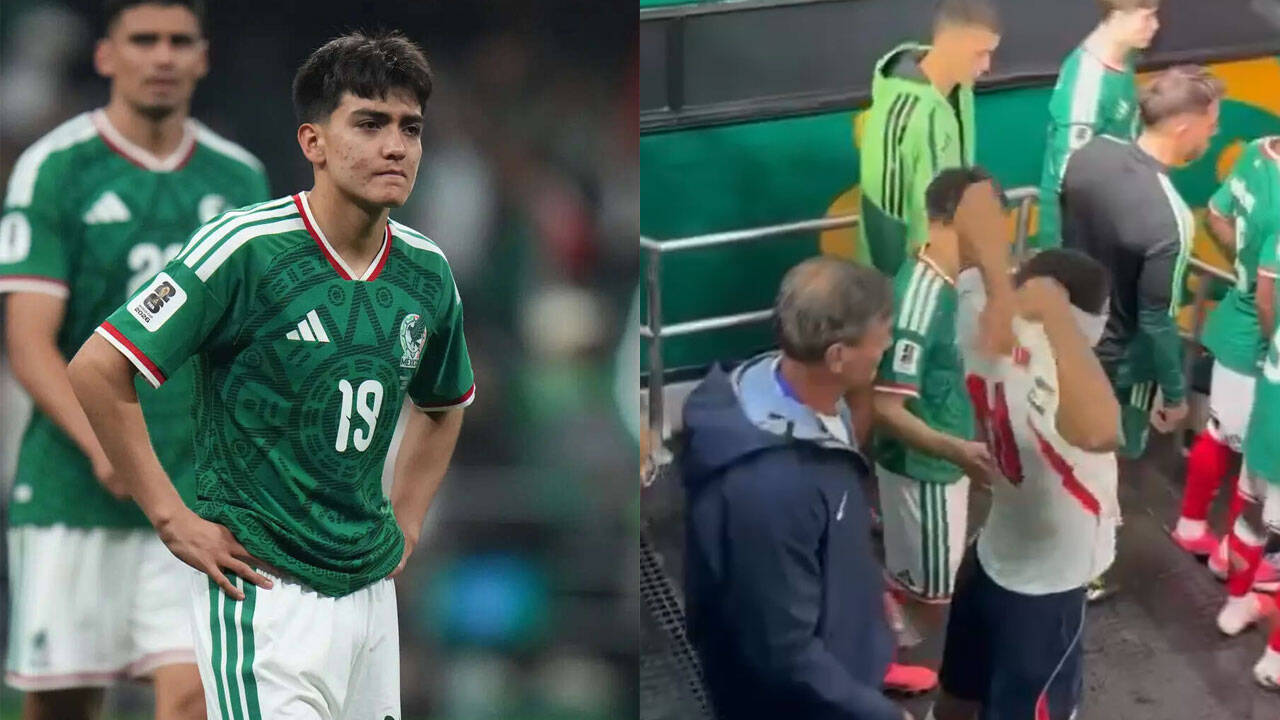
Amidst the jubilant celebrations of the Three Lions and the valiant commiserations of the Mexican squad, the cameras zoomed in on a moment of pure, unadulterated sportsmanship. England's 23-year-old talisman, fresh off a Player of the Match performance, sought out 17-year-old Mora, the prodigious Mexican midfielder, to exchange jerseys. This simple yet powerful act resonated deeply, encapsulating the spirit of the beautiful game: intense rivalry on the pitch giving way to profound respect off it, especially between two generational talents at different stages of their burgeoning careers. The image of Bellingham, a seasoned international already commanding a premium club career, sharing an intimate moment with a promising debutant, quickly became a symbol of the World Cup's enduring appeal.
England’s journey to this pivotal Round of 16 encounter had been marked by a blend of expectation and cautious optimism. Under the astute guidance of head coach Thomas Tuchel, the squad had navigated a challenging group stage, demonstrating both their attacking prowess and defensive resilience. Key players like Harry Kane, Bukayo Saka, and of course, Jude Bellingham, had been instrumental in their progression, each contributing vital moments of quality. Mexico, on the other hand, arrived at the knockout phase having exceeded some expectations. Their youthful squad, infused with dynamic energy, had shown flashes of brilliance, defying predictions and establishing themselves as a formidable opponent capable of unsettling even the most established footballing nations. The match-up promised a clash of styles: England's disciplined structure and individual brilliance against Mexico's passionate, fluid play, amplified by the intimidating atmosphere of the Azteca stadium.
From the opening whistle, the game lived up to its billing as a high-stakes encounter. England, deploying a flexible formation that allowed Bellingham to operate with freedom in advanced areas, pressed high, seeking to exploit any defensive vulnerabilities. Mexico, backed by their fervent home crowd, responded with characteristic intensity, attempting to assert their control in midfield and launch quick transitions. The tactical battle in the central third of the pitch was relentless, with both teams vying for supremacy. England's initial dominance began to pay dividends through the sheer brilliance of their number ten. Jude Bellingham, dictating play with remarkable maturity and vision, started to stamp his authority on the contest, making intelligent runs and displaying an uncanny ability to be in the right place at the right time.
Bellingham’s first goal arrived in the 28th minute, a testament to England's intricate attacking play. A precise cross from the right flank, delivered with pinpoint accuracy by Bukayo Saka, found the dynamic midfielder ghosting into the penalty area. With a powerful, well-directed header, Bellingham sent the ball past the outstretched arms of the Mexican goalkeeper, electrifying the English support and silencing, if only momentarily, the roaring Azteca crowd. The goal was a culmination of patient build-up and incisive movement, highlighting Bellingham’s aerial prowess despite his primary role as a central midfielder. This early lead injected further confidence into the English ranks, allowing them to settle into their rhythm and continue to probe Mexico's defence.
Remarkably, the 23-year-old wasn't finished. Just two minutes later, in the 30th minute, Bellingham doubled England's advantage with a clinical finish that showcased his composure and attacking instincts. Harry Kane, dropping deep to link play, threaded a perfectly weighted pass through the Mexican defensive line. Bellingham, anticipating the move, burst into the box, collected the ball with a deft first touch, and slotted it calmly past the goalkeeper. This stunning brace, achieved in a rapid-fire sequence, firmly put England in control and underscored Bellingham's status as one of the world's most complete midfielders. His ability to influence games at both ends of the pitch, coupled with his remarkable goal-scoring ability, made him the undeniable lynchpin of England's offensive strategy. The home crowd, though stunned, continued to urge their team forward, refusing to let the two-goal deficit dampen their spirits.
Mexico, however, demonstrated their resilience and fighting spirit. Refusing to be overawed by England's rapid double, they began to push harder, their attacks becoming more frequent and incisive. Just before the halftime whistle, their persistence paid off. Julián Quiñones, one of Mexico's most dangerous attackers, capitalized on a momentary lapse in the English defence, finding space within the penalty area and unleashing a powerful shot that beat Jordan Pickford. The goal ignited the Azteca once more, providing a crucial lifeline for Mexico and setting the stage for an enthralling second half. The psychological impact of scoring just before the break cannot be overstated; it shifted the momentum and instilled renewed belief within the Mexican squad, transforming the interval into a tactical reset rather than a period of despondency.
The second half began with England looking to consolidate their lead, but the dynamics of the match were dramatically altered in the 54th minute. Defender Jarell Quansah, who had been an integral part of England's backline, was shown a red card for a professional foul, reducing the Three Lions to ten men. This incident immediately shifted the tactical landscape, forcing Tuchel to rethink his strategy. England, previously comfortable in their attacking rhythm, now had to prioritize defensive solidity, absorbing pressure and relying on quick counter-attacks. The red card injected a fresh wave of energy into the Mexican team and their supporters, sensing an opportunity to exploit their numerical advantage and mount a comeback. The atmosphere inside the stadium became even more electrifying, a cauldron of noise and anticipation.
Despite being a man down, England showed immense character and determination. Their defensive organization, led by the experienced Harry Maguire and the ever-reliable Jordan Pickford, proved formidable under relentless Mexican pressure. Against the run of play, England managed to restore their two-goal cushion, once again through a penalty. Harry Kane, demonstrating his captain's leadership and unerring accuracy from the spot, calmly converted the penalty after an infringement in the box. This crucial goal, scored with ten men, was a testament to England's mental fortitude and their ability to seize opportunities even when under duress. It provided a vital buffer, allowing them to manage the remaining minutes with slightly less immediate pressure, though the intensity of Mexico's attacks remained undiminished.
Mexico, however, refused to surrender. Their relentless pursuit of an equalizer was rewarded when Raúl Jiménez converted another penalty, further reducing England's lead to a single goal. The home side threw everything they had at the English defence in the final stages of the match, their attacking waves crashing against a resilient English backline. Jordan Pickford, in particular, produced a series of crucial saves, demonstrating why he is considered one of the world's premier goalkeepers. His command of his area and his agility under pressure were instrumental in thwarting Mexico's late surge. England's defence, marshaled bravely, stood firm, absorbing shot after shot and blocking dangerous crosses, holding on desperately for a famous victory at the Azteca. The final whistle brought not just relief for England, but a profound sense of achievement, having overcome significant adversity.
Beyond the pulsating match action, the post-game moment between Bellingham and Mora quickly became the defining image. It wasn't just a simple shirt swap; it was a powerful statement of solidarity and respect between two young athletes representing the future of global football. Gilberto Mora, at just 17 years and 259 days old, had himself made history in this tournament, becoming the second-youngest player ever to start a FIFA World Cup knockout match, a feat surpassed only by the legendary Pelé. His breakthrough tournament had been remarkable, showcasing a maturity beyond his years and an undeniable talent that marked him as a future star for El Tri. For Bellingham, to acknowledge such a young, emerging talent in the heat of a World Cup knockout victory spoke volumes about his character and humility. It transcended national rivalries, highlighting the universal language of football.
The viral spread of the video clip underscored the profound impact of this gesture. Fans from across the globe lauded Bellingham's sportsmanship, praising the mutual admiration displayed by the two players. In an era often dominated by intense rivalries and high-pressure competition, such moments of genuine respect serve as vital reminders of the game's core values. It resonated with millions, symbolizing the camaraderie that can exist even amidst the most intense sporting contests. The gesture served to elevate the narrative beyond mere victory and defeat, emphasizing human connection and the shared passion for the sport.
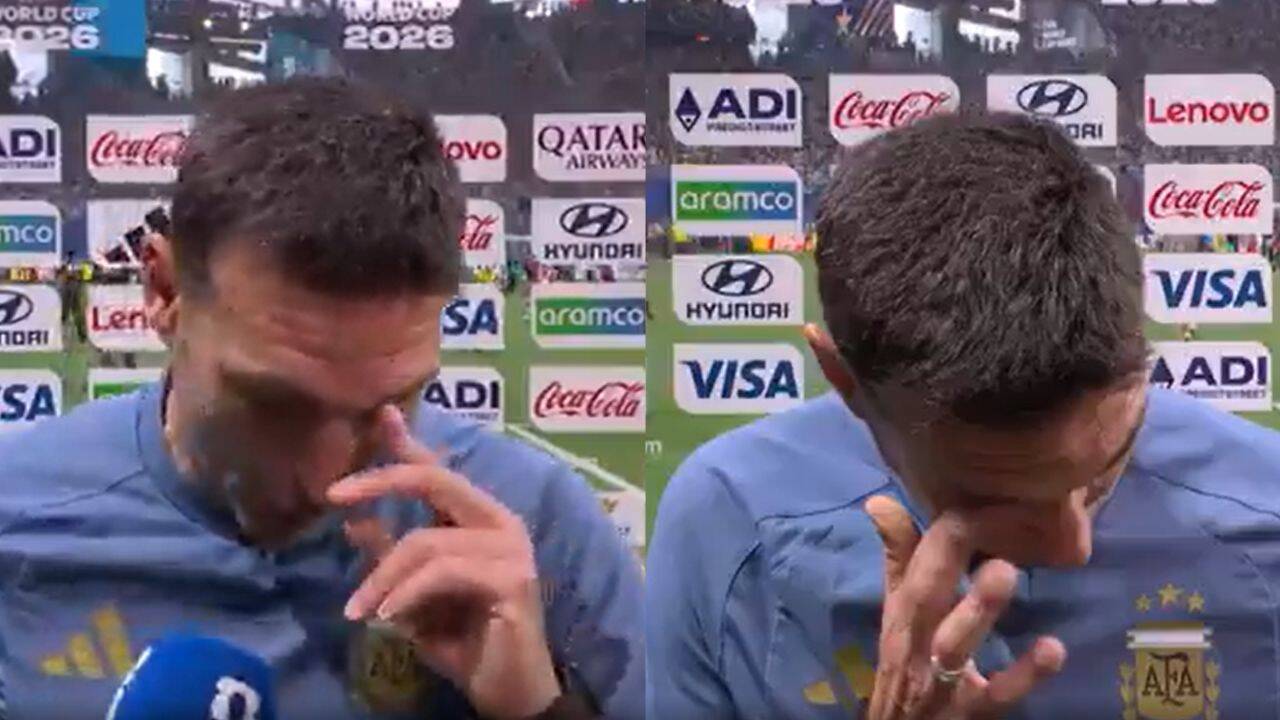
Reflecting on England's dramatic victory and the palpable emotion of the occasion, Jude Bellingham, named Player of the Match for his outstanding contributions, shared his feelings in a post-game interview. He vividly imagined the scenes of celebration back home, describing them as
source: Times of India