The usually composed world of international football governance has been rocked by an extraordinary series of events and pronouncements, with England head coach Thomas Tuchel emerging as a vocal critic of FIFA's recent disciplinary decisions. At the heart of the maelstrom is the contentious overturning of Folarin Balogun's automatic one-match ban, a move that has cast a long shadow over the consistency and transparency of the sport's highest governing body. Tuchel, renowned for his tactical acumen and often candid assessments, did not mince words, albeit delivering his most pointed critique with a layer of dry humor, suggesting that England captain Harry Kane might need to solicit the assistance of former US President Donald Trump to achieve a similar reversal for Jarell Quansah's red card.
This unprecedented saga began with an incident involving American striker Folarin Balogun during a crucial World Cup fixture. The specific match details, though debated, pointed to a challenge that, while robust, was initially deemed by many pundits and analysts not to warrant a straight red card. However, after extensive consultation with the Video Assistant Referee (VAR) system, the on-field official ultimately issued the red card, triggering an automatic one-match suspension. The decision, at the time, was met with a degree of resignation, as such judgments, even when contentious, typically stand once confirmed by the VAR protocol. The automatic ban meant Balogun, a pivotal figure in the United States' attacking lineup, would be unavailable for their impending Round of 16 clash against a formidable Belgian side, a fixture of immense consequence for the American team's World Cup aspirations.
The narrative took a dramatic and almost surreal turn when FIFA, through an extraordinary invocation of Article 27 of its Disciplinary Code, announced the suspension of Balogun's ban. This rare procedural maneuver effectively made the striker available for the crucial knockout stage match. Article 27 typically allows for the temporary suspension of a disciplinary sanction under exceptional circumstances, often involving ongoing investigations or specific mitigating factors not immediately apparent during the initial review. However, the application of this article in Balogun's case immediately raised eyebrows, not least because it reportedly followed lobbying efforts from high-profile political figures. Specifically, widespread reports suggested that former US President Donald Trump had personally contacted FIFA President Gianni Infantino, advocating for a review and subsequent reversal of the dismissal. The very notion of a head of state intervening in a sporting disciplinary matter of this nature sent ripples of disbelief and concern throughout the global football community, prompting profound questions about the sanctity of sporting regulations and the potential for external influence.
Tuchel, speaking in the aftermath of England's thrilling 3-2 victory over Mexico, articulated his profound discomfort with the entire process. While he unequivocally stated his belief that Balogun's original tackle did not merit a red card, his primary concern was not the correctness of the initial judgment but the subsequent, opaque, and seemingly arbitrary reversal. He highlighted the apparent paradox: a decision, meticulously scrutinized by multiple VAR officials and the on-field referee, resulting in a yellow card, was then inexplicably overturned by an external body. "I think first of all, to be very clear, that it was not a red card," Tuchel reiterated, underscoring his initial agreement with the popular sentiment. "But VAR got involved and obviously three people from VAR and the referee checked it and were of the opinion it is a yellow card so the decision is made." His statement powerfully encapsulates the frustration felt by many: once a decision has gone through the established protocol, including the advanced technological review of VAR, what grounds, and indeed, what authority, can exist to unilaterally override it?
The England manager’s concerns extended far beyond the specifics of Balogun's case, morphing into a broader critique of FIFA's consistency, or rather, the stark lack thereof. He probed the fundamental question of who possesses the ultimate power to overturn such decisions, under what specific conditions, and, perhaps most critically, how far such interventions could realistically extend. "Who overturns this decision and when and on what grounds? And how far does this go now? It is just strange for me," Tuchel mused, articulating a sentiment shared by legions of football fans, players, and coaches worldwide. The implication was clear: if a precedent is set where high-level lobbying can influence disciplinary outcomes, the very fabric of fair play and judicial consistency within the sport could unravel, leading to an endless stream of appeals and interventions that would cripple the integrity of competition.
Tuchel’s insistence on consistency was a recurring theme throughout his post-match press conference. He argued that the paramount concern for all participants in the beautiful game should be the unwavering application of rules. "We just want to have consistency in the decisions," he declared, highlighting the foundational principle that equal infractions should yield equal consequences, regardless of a player's nationality, club, or the political influence that might be brought to bear. To illustrate his point, he referenced other contentious decisions from the ongoing tournament, citing examples of yellow cards that he, and many others, believed were harsh or unwarranted. He specifically brought up the yellow card issued to England midfielder Declan Rice early in a previous match, a decision that significantly impacted Rice's ability to engage fully in defensive duels for the remainder of the game. "So, is our yellow card after the first minute against Declan Rice... We can now debate endlessly. I think it is not a yellow card. Do we get this back? Does France get the yellow card back for Michael Olise which was not a yellow card?" he questioned, laying bare the potential for an administrative Pandora's Box if FIFA’s actions established a precedent for external intervention.
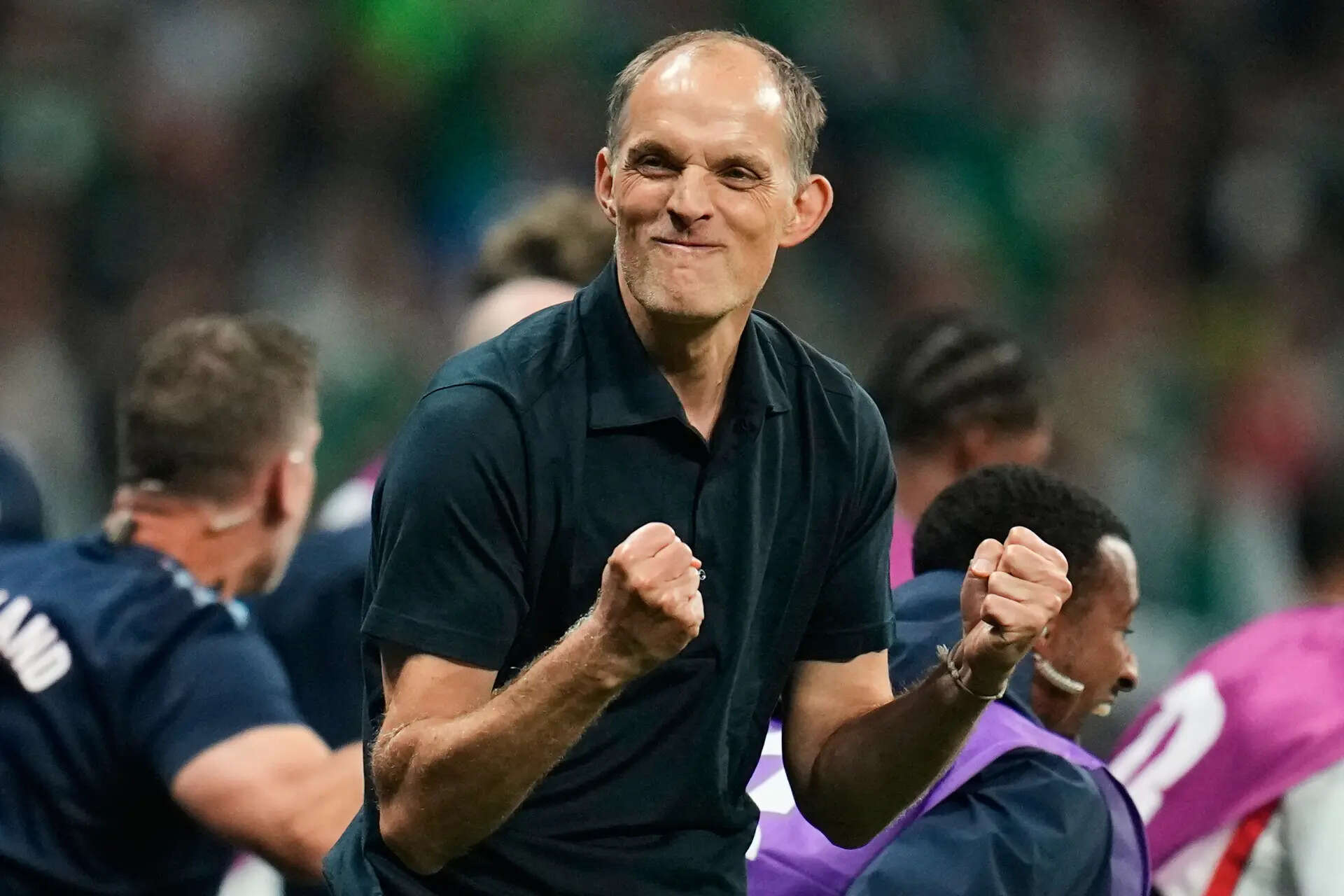
The absurdity of the situation was not lost on Tuchel, who, with characteristic wit, seized upon the reports linking Trump to Balogun's overturned ban. Following England's hard-fought victory against Mexico, during which England defender Jarell Quansah received a red card, Tuchel was asked if captain Harry Kane might now appeal to Trump for similar intervention. The context was ripe for such a jibe: Trump himself had recently taken to social media to commend Kane, referring to the striker as a "GREAT player." With a wry smile, Tuchel’s immediate retort was, "Maybe, that's a good starting point." This seemingly light-hearted comment was, in fact, a potent encapsulation of his deep frustration. It served as a stark, sarcastic commentary on the perceived politicization of sporting justice and the apparent arbitrary nature of FIFA's recent decisions. The implication was that if official channels and VAR protocols could be circumvented by high-level political influence, then perhaps the only way to achieve justice for his own players was to engage in similar, unconventional lobbying. The fact that Quansah's red card had left England playing with 10 men for a significant portion of their match against Mexico only amplified the manager's underlying exasperation and the real-world consequences of such rulings.
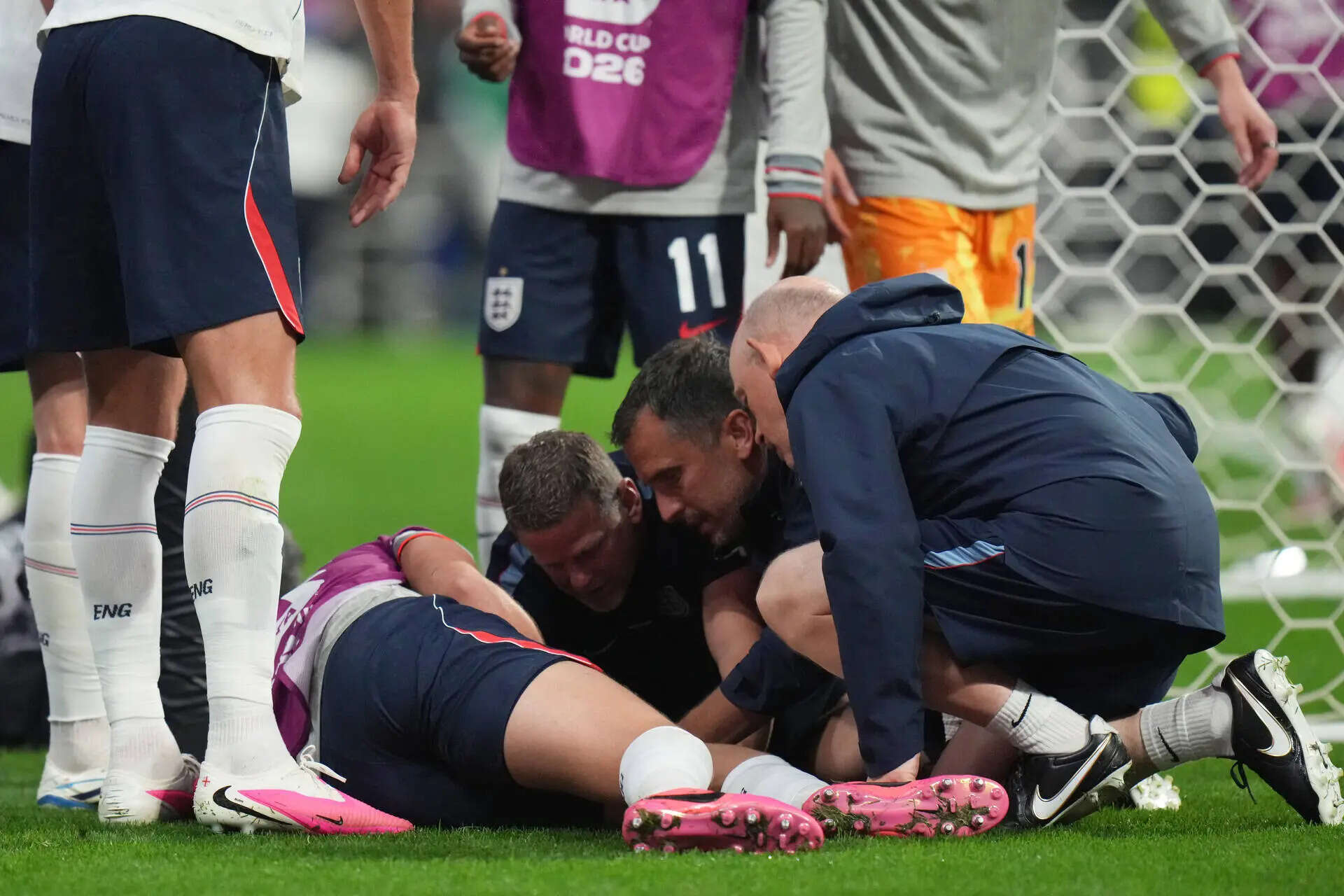
The Quansah incident itself unfolded dramatically during the second half of the England versus Mexico encounter at the iconic Estadio Azteca. The young defender, in a moment of defensive urgency, committed a foul that, after a lengthy VAR review, was upgraded to a red card. This left the Three Lions in a precarious position, forced to play much of the remainder of the match with a numerical disadvantage against a tenacious Mexican side. Despite the setback, England ultimately demonstrated remarkable resilience and tactical discipline, holding on for a memorable 3-2 victory. However, the red card, and the stark contrast in how it was handled compared to Balogun's, provided Tuchel with potent, immediate ammunition for his critique. It highlighted the lived experience of a team grappling with a significant disciplinary decision that, under the newly established (and controversial) precedent, might theoretically be open to review, yet practically seemed to remain immutable without extraordinary, and perhaps politically motivated, intervention.
Tuchel consistently circled back to what he perceives as the fundamental philosophical and procedural crisis precipitated by FIFA's ruling on Balogun. His concern was less about a single judgment and more about the systemic integrity of the game. "Where does this start and where does this end now? Can we overturn it or not overturn it? What's going on?" he repeatedly questioned, articulating the profound confusion and apprehension that such a precedent introduces. He emphasized the critical need for clear, inviolable boundaries within the disciplinary framework. "Where to draw the line is the question that I ask. I have no answer to that." This rhetorical query underscores the perilous path FIFA has seemingly embarked upon, one where the clear lines between sporting justice and external pressures appear to have blurred, creating a regulatory vacuum that threatens to undermine the very principles of fair play and consistent application of rules.
The England boss concluded his impassioned commentary by warning about the potential for every contentious disciplinary decision to become a subject of endless appeal and political maneuvering. If the Balogun precedent stands, what prevents other federations or influential figures from attempting to leverage similar influence for their own players? "Where does this end now? Do we appeal if a yellow card is not a yellow card. Do we think it is not a red card or who thinks it? Where does this start and where does this end?" he stressed, painting a dystopian vision of a sport bogged down in endless legal challenges and appeals, rather than decided on the field of play by the players and officials, according to transparent and consistently applied rules.
FIFA's official explanation for the Balogun decision centered on Article 27 of its Disciplinary Code, which, as stated, permits a judicial body to suspend the implementation of a disciplinary sanction and impose a probationary period. This allows a player to remain eligible while under review, with the understanding that further infractions could trigger the original ban or additional penalties. While FIFA maintained that its actions were within its codified powers, the specific circumstances surrounding this particular invocation – especially the alleged external political pressure – have fueled widespread skepticism and a robust debate across the global football landscape. Balogun, who had been a standout performer for the United States, scoring three crucial goals during the tournament, ultimately benefited from the decision, being available for the Round of 16 match as the US sought to advance to their first World Cup quarterfinal since 2002. However, the immediate sporting benefit for one player has come at a considerable cost to FIFA's reputation, sparking extensive commentary from pundits, former players, and fans alike, many of whom have decried the perceived lack of transparency and the potential for selective application of disciplinary measures.
The reverberations of this controversy are likely to be long-lasting. Tuchel's sharp, albeit humor-laced, critique serves as a powerful reminder that the integrity of sporting competitions hinges not just on the performance of athletes, but crucially on the impartiality and consistency of the rules and their enforcement. The episode has cast a harsh spotlight on FIFA's governance mechanisms, prompting an urgent demand for greater transparency, clearer guidelines for disciplinary interventions, and a firm commitment to resisting any form of external pressure that could compromise the fundamental fairness of the game. As the tournament progresses, the debate over Balogun's red card reversal and Tuchel's pointed observations will undoubtedly continue to resonate, shaping perceptions of justice and fair play in the highest echelons of international football.
source: Times of India