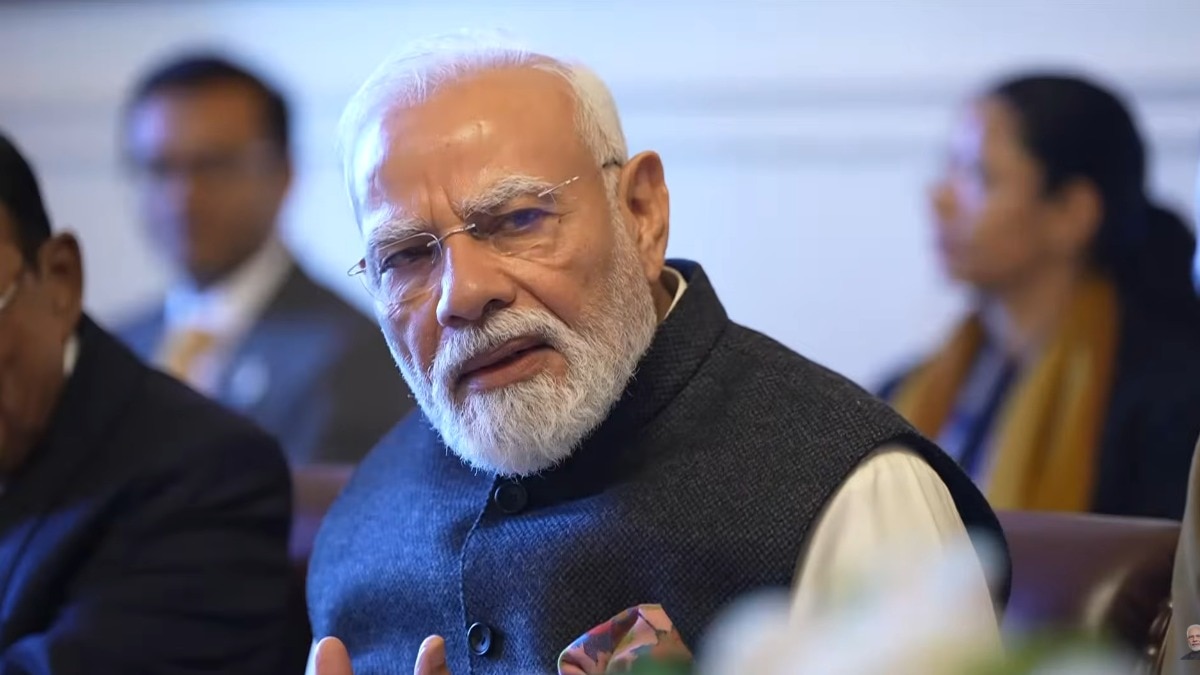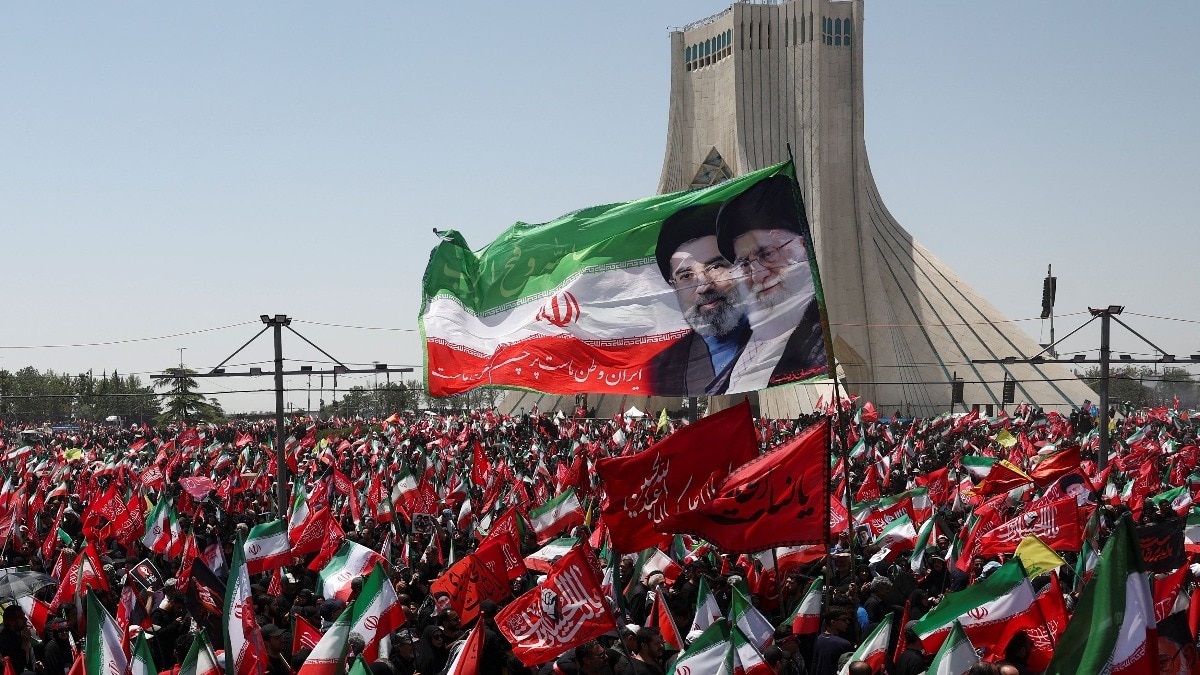
At the funeral for Iran's former Supreme Leader Ali Khamenei in Tehran, different Quranic verses were recited as delegations of over 30 countries and non-state entities paid their last respects to the Ayatollah on July 4. Experts suggest that the verses didn't just serve a religious purpose, but also sent a diplomatic message.As the representatives filed past Khamenei's coffin, different Quranic verses were recited for different delegations. While experts and reports suggest there were messages in the selection of the verses, Tehran hasn't commented on the subject. The clerical regime had earlier too used Quranic verses to convey messages.Experts said the clearest example of the use of Quranic verses on July 4 came when the Saudi Arabian delegation stepped forward. The verse recited, according to reports, was from Surah Al Imran, 3:13, referring to the Battle of Badr, Islam's first major battle, where a smaller Muslim force defeated a much larger enemy. Because the Battle of Badr was fought in present-day Saudi Arabia in 624 CE, the choice attracted attention almost instantly.International Security Analyst, Shahin Modarres, who held that "the most important words" at the funeral were not said by any officials", added that "they were recited". Calling it "Cold War Kremlinology in verses", Modarres said the funeral was "not a state projecting power, but a state doing accounting," much like analysts once interpreted Soviet politics by observing who stood closest to the leader's coffin.The Middle East Eye, a United Kingdom-based media website, said the verse could be read both as a gesture toward shared Islamic memory and as a pointed message to Riyadh. The report noted that Iran seemed to present itself as the force that had survived, and perhaps prevailed, in the recent war with the US and Israel, while Saudi Arabia stayed by Washington's side.While there has been no official remark or explanation from the Iranian government as to why those specific verses were selected and recited, several commentators, analysts and regional observers said the pattern was too precise to be accidental.Ayatollah Ali Khamenei, Iran's Supreme Leader and the spiritual head of Shias worldwide, was killed on February 28 in a joint attack by the US and Israel.NOT SPONTANEOUS BUT INTENTIONAL: IRAQI EXPERTKhamenei's funeral was religious, but it was also a global geopolitical stage. Iran used the ceremony to show that it had not been isolated, broken or abandoned after the war with the US and Israel. It was in this pursuit that the Quranic recitations appeared to be adding the second layer.Iraqi political commentator Mohammed Hassan Bahrani told Baghdad-based broadcaster, Alahad TV-EN, "It was not spontaneous... The Qur'anic verses recited before the delegations attending the farewell ceremony for the martyred leader were intentional... There were countries that attended reluctantly."The verses were not played as a common prayer for all the visiting delegations. They changed with the delegation. And the meanings seemed to track Iran's view of each country or group, the Middle East Eye report analysed.IRAN'S RESISTANCE OF AXIS GOT VICTORY, MARTYRDOMFor the non-state actors which form Iran's "Axis of Resistance", like, Hamas, Hezbollah, Palestinian Islamic Jihad, Yemen's Houthis, Iraq's Hashd al-Shaabi and the Taliban of Afghanistan, the reported verses shared a few common themes of sacrifice, martyrdom, loyalty and triumph.Hamas was reportedly greeted with a verse about men who remained true to their covenant with God, some having fulfilled their pledge and others still waiting. For a group that revers Iran as central to its anti-Israel struggle, the symbolism was obvious.Hezbollah received a verse telling believers not to weaken or grieve because they would have the upper hand. The Houthis, who have remained active against Israel-linked and Western-linked shipping in and around the Red Sea, were assigned verses linked to steadfastness and fighting without losing heart.In short, Iran's closest ideological and military partners were reassured of Tehran's support and thanked them for standing by.PARTNERS GOT A SOFTER MESSAGE FROM IRANRussia, China and India appeared to receive different types of verses. These were not about sacrifice on the battlefield, but of righteousness, reassurance and divine reward.China's verse, according to the Middle East Eye report, carried a softer tone of reassurance that victory comes only from God. Russia's verse referred to the ultimate outcome belonging to the righteous.India received a shorter and softer excerpt of the "do not falter or grieve" passage.Tehran on Monday thanked New Delhi for participating in Khamenei's state funeral, calling the gesture a "precious testament" to the enduring ties between the two countries and saying the Iranian people "will never forget" India's show of solidarity.The distinction of verses was also important, as Iran did not place friendly nations in the same bracket as its "Axis of resistance". It seemed to be thanking partners without drafting them into its ideological war.International Security Analyst, Shahin Modarres, said, "Each foreign delegation was assigned a Quranic verse and each verse was a targeted political message. Saudi Arabia was scolded. Turkiye was shamed. Lebanon was accused. The proxies were comforted. Qatar was thanked.""Read together, these verses reveal something no press release ever would. Not a state projecting power, but a state doing accounting... Kremlinologists once decoded Soviet politics by watching who stood closest to the coffin. Yesterday, the coffin spoke in verses and Iranians decoded it faster than any foreign analyst," he added on his post on X.IRAN HAS EARLIER TOO USED QURANIC VERSES FOR MESSAGINGIran has used Quranic verses in official messaging during moments of geopolitical tension.In April, Iran's Foreign Ministry spokesperson Esmaeil Baqaei responded to US President Donald Trump's threats by quoting verses from Surah Al-Mujadila to frame Iran's position as one backed by divine justice and ultimate victory, according to the IRGC-allied Tasnim News Agency.Around the same period, following the death of Ali Khamenei, his successor, Mojtaba Khamenei, opened a message marking the 40th day of mourning with a verse from Surah Al-Fath. "Indeed, We have granted you a clear victory...," the address started with, implying Iran's "victory" in the war with the US and Israel, was divinely ordained.Iran has not commented on the choice of verses for Ayatollah Ali Khamenei's funeral, and left it open to interpretation. But the pattern is interesting and striking enough for analysts to see messages through Khamenei's funeral like the upright hand created through drones.- EndsPublished By: Sushim MukulPublished On: Jul 6, 2026 19:15 IST
source: India Today